Zinc Plated Steel Rollers

Zinc Plated Steel Rollers

Discover zinc-plated steel rollers for durable, corrosion-resistant material transport and support.

Filter Selection

Features

Comparison Table

FAQs

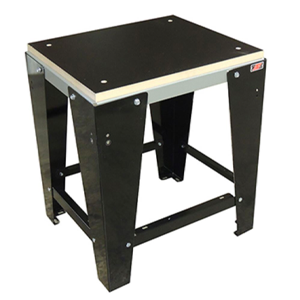
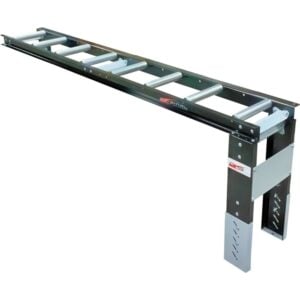
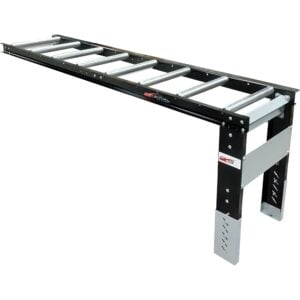
Who Uses 14 Inch Wide Saw Roller Extension Tables?

These tables are used by a wide range of professionals and enthusiasts, including:

  • Cabinet makers and woodworkers.
  • Lumberyards and carpentry shops.
  • Industrial arts programs in schools.
  • Furniture manufacturers and crating departments.
  • Home hobbyists.

These tables can improve efficiency and safety if your work involves precision cutting, material handling, or woodworking.

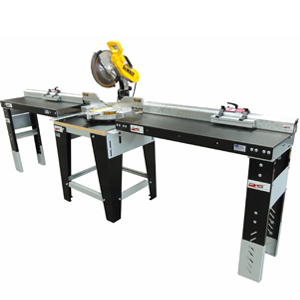
What equipment is compatible with the 14 Inch wide Saw Roller Extension Table?

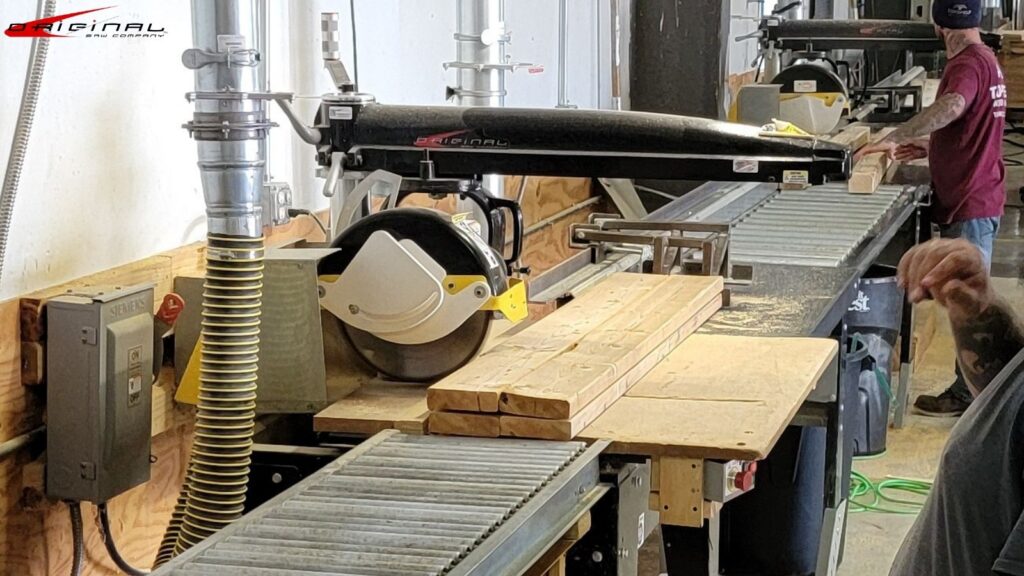
The 14 inch wide Saw Roller Extension Table is compatible with:

  • Miter Saw Stands
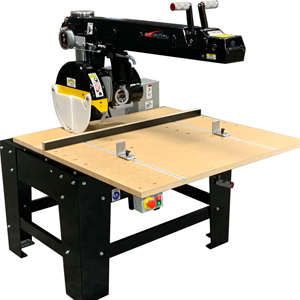
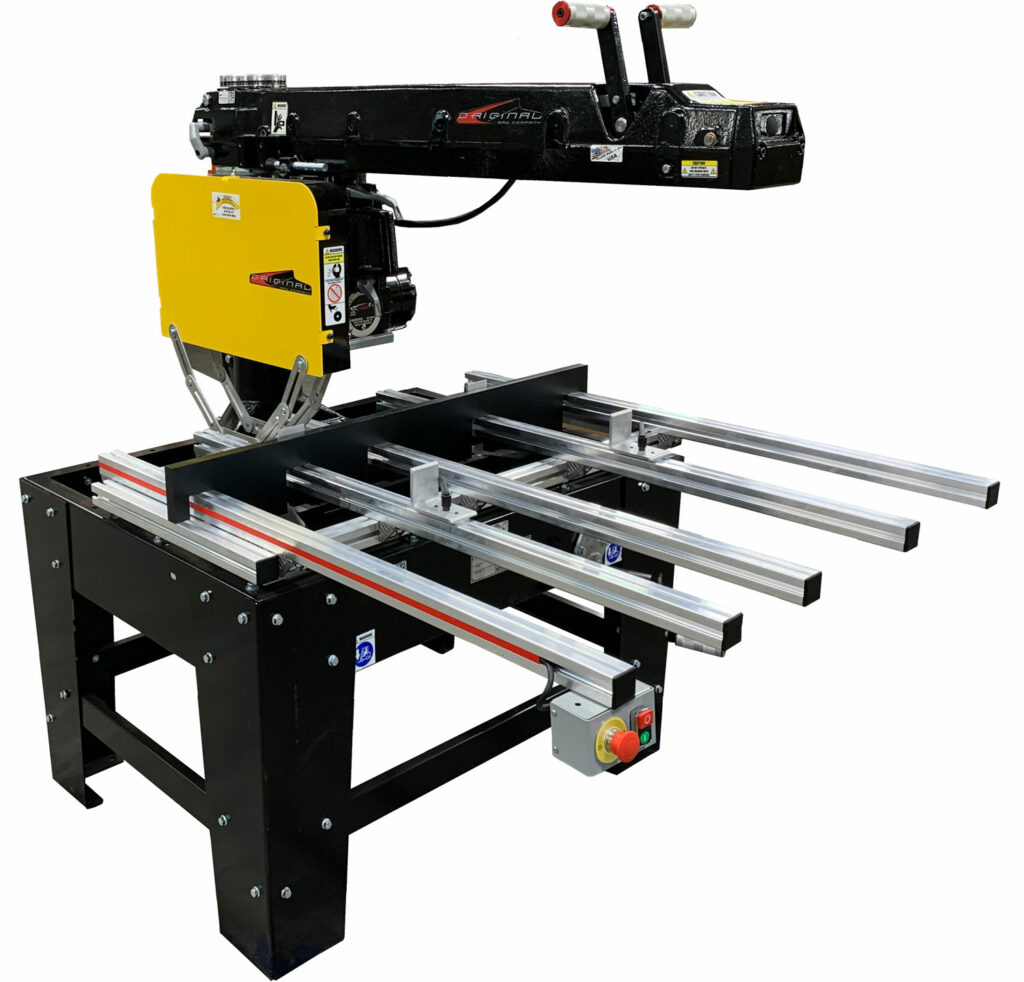
  • Radial Arm Saws
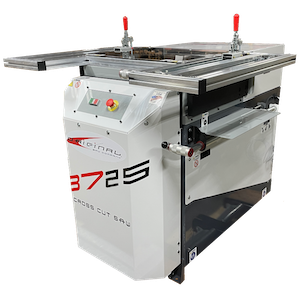
  • Crosscut Power Saws
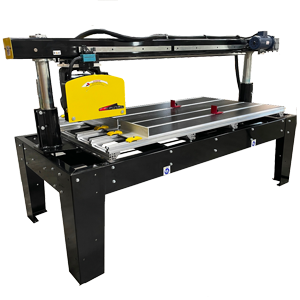
  • Beam Saws

Its versatility makes it a perfect addition to various setups, providing enhanced material support and smoother workflows.

What's the difference between zinc rollers and orange urethane rollers?
  • Zinc Rollers: Durable and versatile, ideal for most materials and general-purpose use.
  • Orange Urethane Rollers: Designed to protect delicate materials from scratches and marring. These rollers feature a UHMW sleeve for added surface protection. Choose orange urethane rollers for projects involving fragile or easily scratched materials.
How do I choose the correct roller spacing for my table?
  • 6″ Spacing Best for smaller materials or when precise handling is required.
  • 12″ Spacing Ideal for larger, heavier materials.

Consider the size and weight of the materials you’ll work with to select the best spacing for your needs.

Can I extend the tables to lengths longer than 8 feet?

You can join multiple 14 inch wide Saw Roller Extension Tables to create a longer material handling area. Bolt together construction makes combining tables for extended setups easy, accommodating larger workpieces or workflows.

  • Contact Original Saw Company’s customer support at (800) 733-4063 or email customerservice@originalsaw.com for custom configurations or assistance.
Do Saw Extension Tables go on the infeed or outfeed side?

Install Saw Extension Tables on the infeed side, outfeed side, or both, depending on your needs. Adding a table to the infeed side supports material loading, while an outfeed table provides stability as the material exits the cut. Using tables on both sides maximizes material control for longer pieces and improves safety and precision.

Did we answer your question?
If not, please contact us with your question and we will be happy to answer you and help with your saw selection.

Case Studies

Highlighting effective strategies from our clients.

Leverette Construction

Leverette’s Construction has been in business for over 20 years. They specialize in general contracting and providing high-quality construction services to their customers.

Read More »
Radial Arm Saw at Safety Speed

Safety Speed

Safety Speed, a leader in panel processing and fabricating equipment, needed an upgraded cutting solution for their packaging department.

Read More »
Charlie Kulisan's workshop with radial arm saw

Kulisan Woodworking

Charlie Kulisan, the owner of Kulisan Woodworking, is an advanced hobbyist woodworker. When searching for a replacement saw to handle crosscuts and dadoes, he prioritized safety and durability.
Read More »
22.5" Metal Cutting Radial Arm Saw wtih a T-slot aluminum extruded table

Central Florida Lumber

Central Florida Lumber, a family-owned leader in commercial building materials, specializes in doors, hardware, and millwork. The company needed a more efficient method to cut custom doors for its steel door customers.

Read More »

Customization Options

Do You Need Test Cuts?

Are you unsure if this machine can cut your material?

Ask about sending in a material sample to Original Saw. We will cut your material on our shop saw and make a video. Afterwards, you can review the videoed test cuts and make informed decisions. Most importantly, we want you to feel comfortable with your solutions before your purchase.

Would you like to send us your material?

Email us at customerservice@originalsaw.com or call at (800) 733-4063 to start the process.

How are Saw Extension Tables Shipped?

If Saw Extension Tables are purchased at the same time as a saw, the tables will be shipped with the saw via freight truck. Lead time on saws with Saw Extension Tables is generally 3-4 weeks.

Saw Extension Tables can also be ordered without a saw. Tables are an in stock item and can be shipped out approximately 2-3 days after the order is placed.

They can be shipped by UPS or by freight truck, depending on the size and number of tables ordered. Contact Original Saw Company at (800) 733-4063 or customerservice@originalsaw.com for a freight quote.

How do you know the right part number?

Use the diagrams below to identify the type and year of your saw. This will help us find your needed part. 

Radial Arm Saw Parts

When determining the replacement parts needed for a radial arm saw, it is important to know the series and serial number of the saw. The serial number is located on a riveted tag on the front of the frame on a radial arm saw. Beginning in 1995, Original Saw Company assigned serial numbers by year, month, series and numerical. ​

A manual is sent with each radial arm saw. It provides important safety information, diagrams and instructions. Refer to the manual to determine the parts needed.

Can’t find your manual?

Beam Saw Parts

When determining the replacement parts needed for a beam saw, it is important to know the series and serial number of the saw. The serial number is located on a riveted tag on the front of the frame on a beam saw. Beginning in 1995, Original Saw Company assigned serial numbers by year, month, series and numerical.

A manual is sent with each radial arm saw. It provides important safety information, diagrams and instructions. Refer to the manual to determine the parts needed.

Can’t find your manual?

Crosscut Saw Parts

When determining the replacement parts needed for a Crosscut saw, it is important to know the series and serial number of the saw. The serial number is located on a riveted tag on the front of the frame on a crosscut arm saw. Beginning in 1995, Original Saw Company assigned serial numbers by year, month, series and numerical.

A manual is sent with each crosscut saw. It provides important safety information, diagrams and instructions. Refer to the manual to determine the parts needed.

Can’t find your manual?

Ask An Expert

Have questions or need assistance in selecting the right saw?

Our experts are here to help you choose the right equipment and systems for you.

Select at least 2 products
to compare